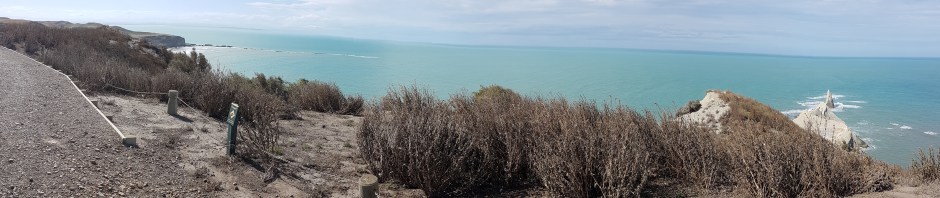

Louis Schipper is an environmental biogeochemist with research interests in long-term changes in soil organic matter, nitrogen cycling with a focus on denitrification and nitrogen immobilisation, impacts of land use change, carbon fluxes and nutrient cycling in agricultural and indigenous ecosystems, including wetlands and soil microbial ecology. He has a strong focus on the temperature dependence of the biosphere and particularly on soil biology. He teaches soil science at undergraduate and graduate levels. Louis has frequently given interviews on national radio about soil science and biogeochemistry and been involved with a number of videos or TV appearance on soil health and greenhouse gases. Google scholar papers

Dave Campbell’s research interests span across the zone of soil, vegetation and atmosphere and concern interactions involving exchanges of energy, water, CO2 and other greenhouse gases. Dave was one of the early adopters of the eddy covariance technique in NZ and gets some weird pleasure out of making complex instrument systems work. His research spans from NZ indigenous wetlands where he and his students work on ecosystem functioning (water and carbon) and restoration; to agricultural greenhouse research in intensively managed dairy farm systems. Peat has been a bit of a theme – from the vast intact Kopuatai bog to drained and intensively farmed peat soils. Currently Dave has research contracts with Landcare Research (peatland functioning and restoration); NZ Agricultural Greenhouse Gas Research Centre (contributes to research with Louis and the wider WaiBER team); and has recently gained ERA-GAS funding as a member of the PEATWISE Nordic/NZ consortium (sustainable peat agriculture and GHG’s). Hear Dave talk about why he enjoys his job here. Google scholar papers

Aaron Wall is the research associate for the carbon sequestration project. After starting as a technician in the team he completed a PhD examining the carbon balance of production (maize) and its subsequent consumption within dairy farms. Aaron manages all of our eddy covariance towers, handles data, writes the papers, and looks after students. Basically he does most of the work Dave and Louis talk about. Aaron speaks about some of our work on diverse pastures swards here. Google scholar papers
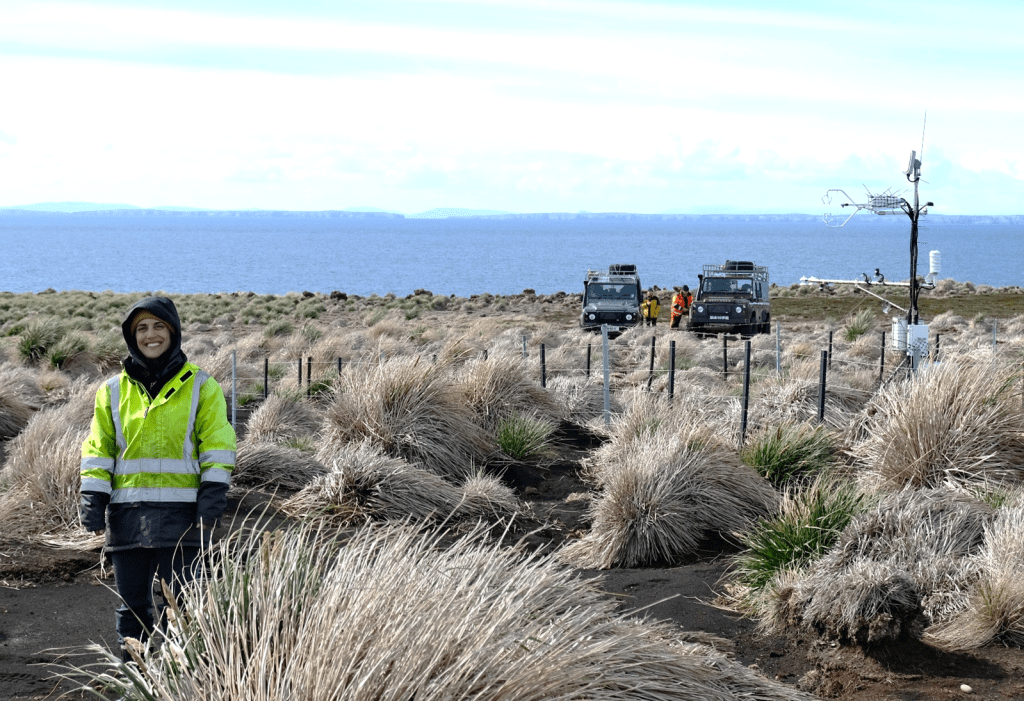
Valeria Mazzola is a Postdoc in the MAPSERS-C project. Her research focuses on quantifying the influence of water table depth on CO₂ fluxes across peatlands under different drainage conditions. She will also be involved in the maintenance of Eddy covariance towers and contribute to teaching activities within the department. Valeria originates from Italy and is an environmental scientist with expertise in carbon dynamics, peatland ecosystems, and climate change mitigation. She holds degrees in Forestry and Environmental Science from the University of Turin and a PhD from the University of Aberdeen, where she focused on peatland restoration and greenhouse gas emissions. Her experience spans fieldwork in Scotland and the Falkland Islands, as well as bioenergy modelling at the Karlsruhe Institute of Technology in Germany. Valeria’s work integrates field research and data analysis to support sustainable land use and climate policy.
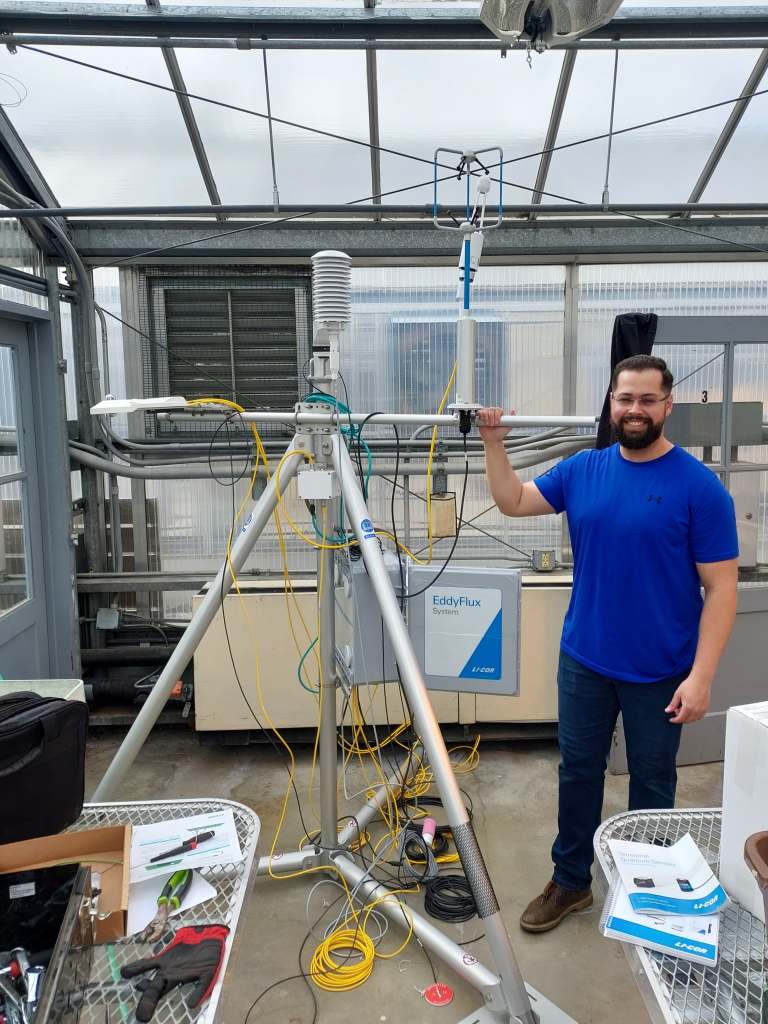
Vitor de Jesus Martins Bianchini is focused on pasture systems’ carbon and water fluxes. He is an agricultural engineer and completed his PhD in Agricultural Systems Engineering at the Luiz de Queiroz College of Agriculture (ESALQ – University of São Paulo, Brazil). During his PhD, Vitor explored the dynamics of CO2 and water vapor exchange in a tropical pasture subjected to intermittent stocking management strategies. He also worked as a visiting researcher at the Daugherty Water for Food Global Institute (DWFI – University of Nebraska), where he contributed to the expansion of the Parallel 41 Flux Network. As a postdoctoral fellow at the University of Waikato, he uses the eddy covariance technique to investigate the potential of enhanced rock weathering as a carbon dioxide removal technology in New Zealand’s pasturelands.
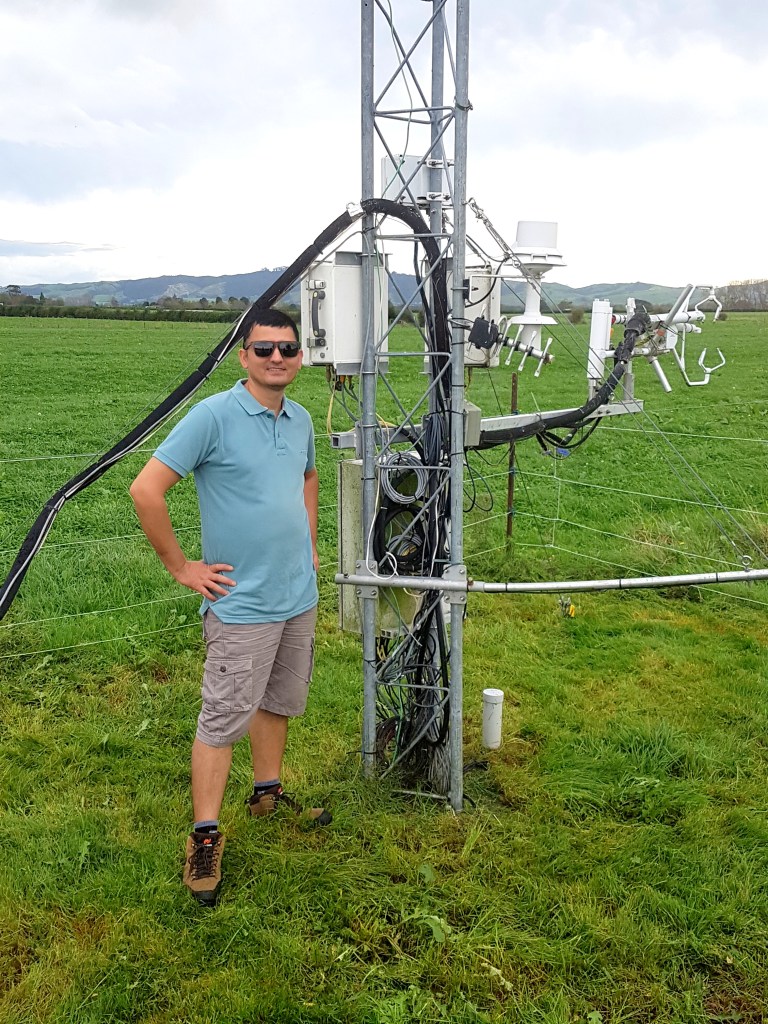
Mohan K C: I am a PhD student working under the supervision of Louis Schipper, and my research aims to understand the factors that control carbon uptake after grazing events and pasture recovery. Initially, I will analyse eddy covariance CO2 flux datasets from different locations across the Waikato region of New Zealand, encompassing a range of farm management practices and climatic conditions. I also plan to conduct field experiments to investigate the long-term impact of grazing events on pasture recovery rates, considering both management practices and environmental conditions. Ultimately, my research aims to contribute to the development of effective and sustainable grazing management practices that reduce greenhouse gas emissions and promote carbon sequestration in temperate grazing pastures.
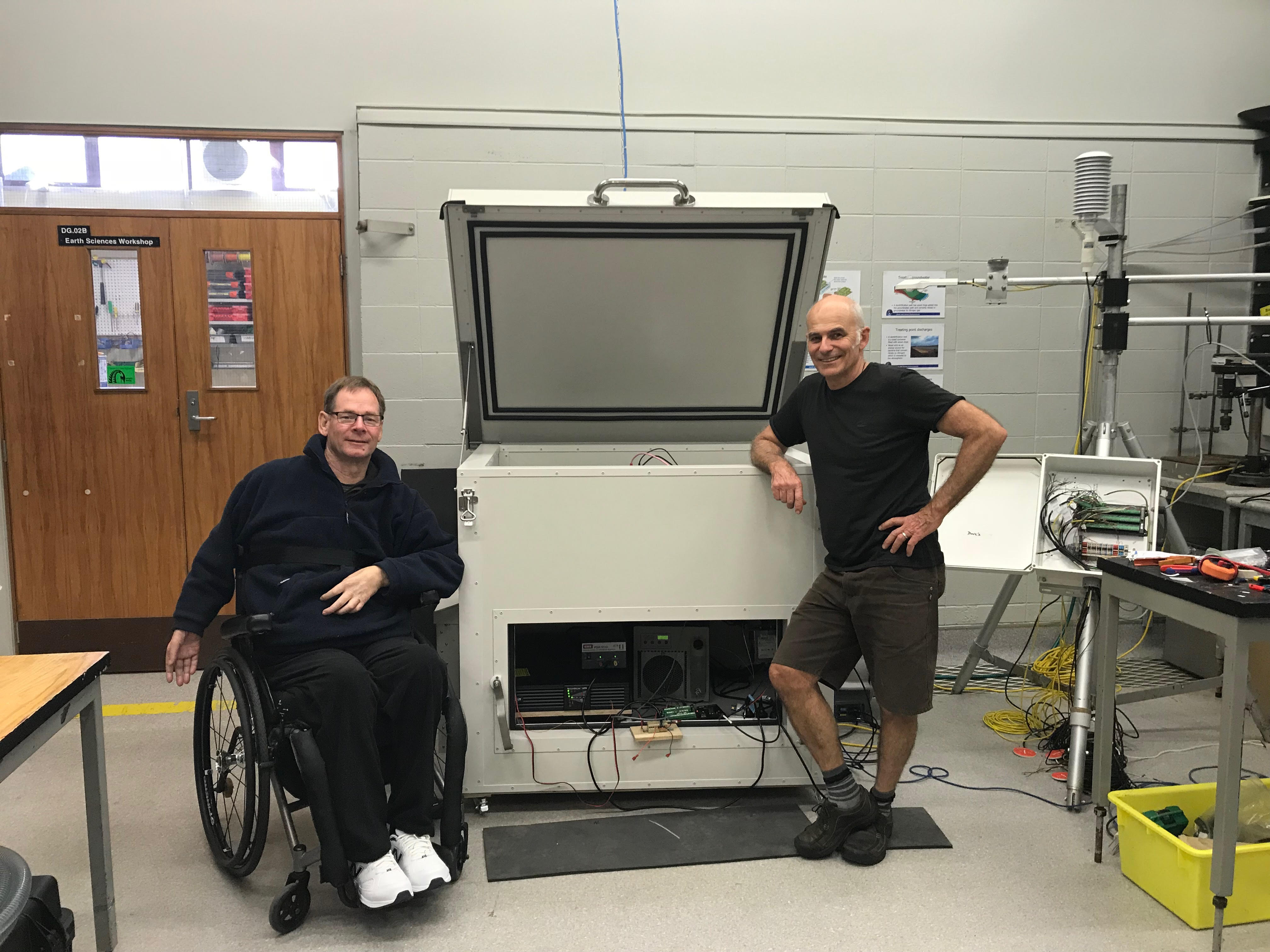
Richard Bindon has a talent for mechanical and electronic design and has contributed to recent builds of our Aerodyne quantum cascade laser eddy covariance systems (for measuring fluxes of N2O and CH4), enabling these delicate instruments to run smoothly in challenging field environments. He and Dave worked together on designing and building the all-important weatherproof and temperature-controlled enclosures with their unique subsoil air cooling systems. Rich’s careful approach to design of mechanical and electronic systems always results in professional, functional and beautiful gear.
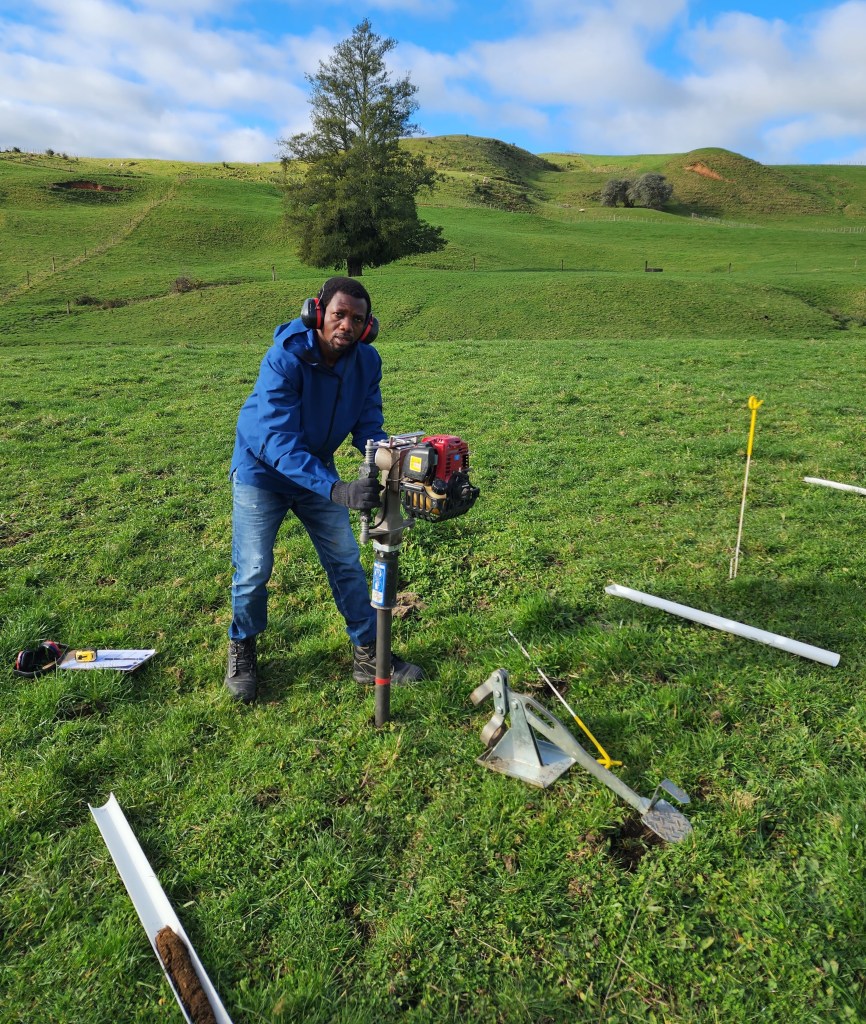
Henry Ota is undertaking a PhD under the supervision of Louis Schipper and Aaron Wall. His research will compare soil carbon stocks of cut-and-carry (CC) pastures to adjacent grazed pastures (GZ), with a focus on how carbon stocks might be increased and losses minimised. The rational and key interest in the study is that manure returns are critical for increasing/sustaining soil carbon stocks. Henry will seek to determine this relationship quantitatively. The current hypothesis is that soil carbon will be higher in GZ pasture compared to CC pasture production. Henry’s research interests span across biogeochemical processes and operation in soils, land management and land use practice changes, soil carbon stocks, and greenhouse gas emission monitoring in agricultural components. Google Scholar Papers
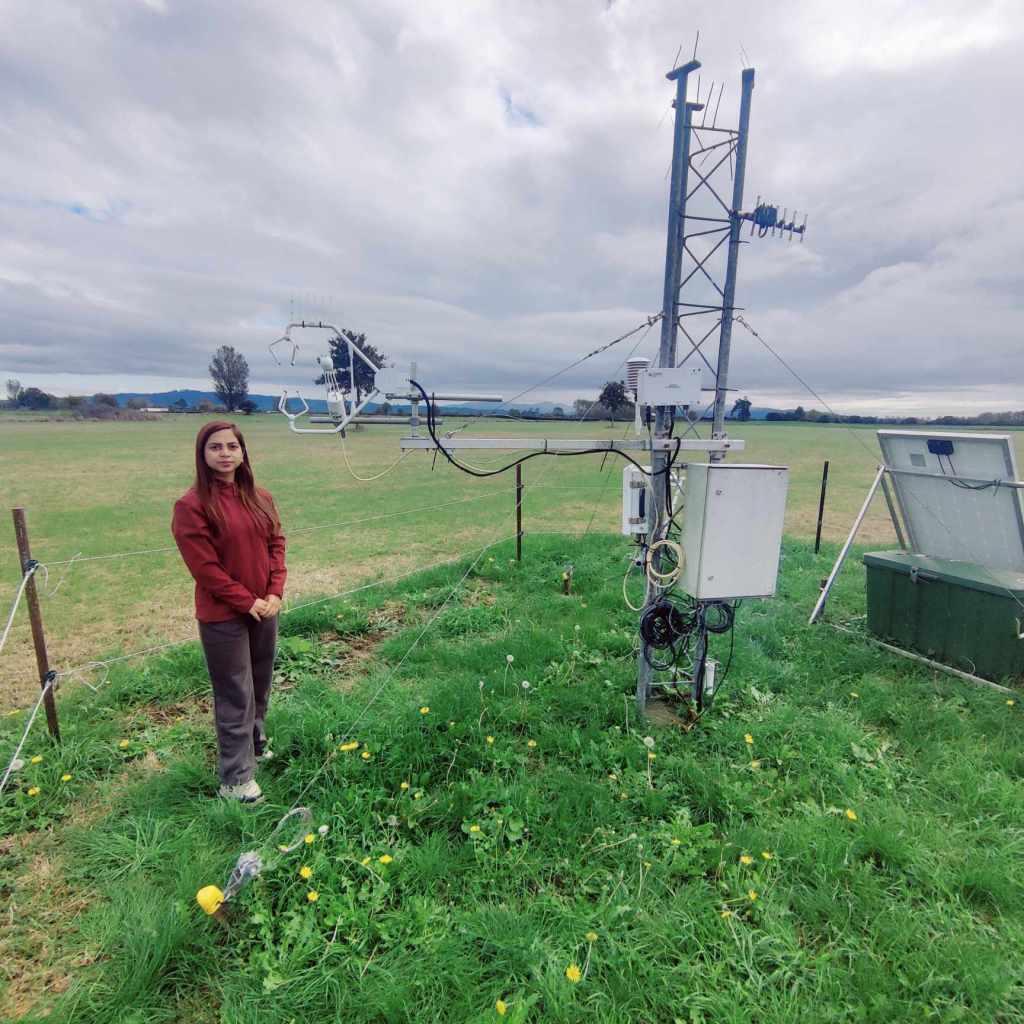
Peatlands are important part of our ecosystems for maintaining global carbon balance and degradation of these peatlands have disrupted the natural balance in environmental functioning and therefore urges for their sustainable management. Rooted in the principle of One Health – humans, animals, environment (soil) health are all interconnected, and a strong believer in environmental stewardship, I (Dija Bhandari) am currently engaged with the peatlands in the Waikato region of New Zealand, understanding the carbon dynamics of peat soils, modelling of drained peatland CO2 emissions and delving to uncover the effective land management strategies for these peatlands. I hold an Erasmus Mundus joint master’s degree in (Danube Agrifood Master 2023/2024) specializing in sustainable agrifood systems and environmental soil science. Presently, I am a PhD student at the University of Waikato, New Zealand under the supervision of David Campbell, Louis Schipper and Donna Giltrap.
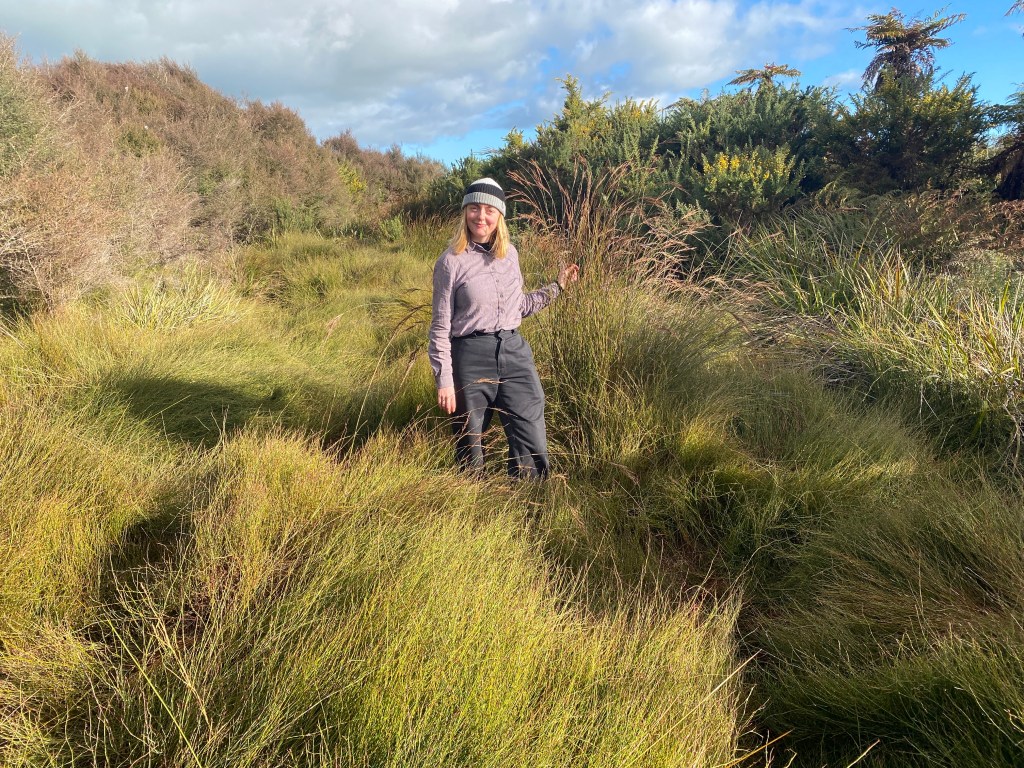
Rahel Bauerdick’s research focuses on the restoration of peatlands. Soil properties, hydrological regimes, the impacts of drainage and fertilisation, and the socio-cultural context, all need to inform our analysis of these complex ecosystems. The term ‘rewetting’ is gaining attention for its potential to reduce greenhouse gas emissions. Does rewetting always require hard engineering, or can ‘natural’ restoration occur if we ‘nudge’ the land by ceasing/reducing land-use pressures? And how do social values and assumptions shape restoration targets and perceived success? Rahel is supervised by Dave Campbell and Louis Schipper from the University of Waikato, Jack Pronger from Manaaki Whenua – Landcare Research, and Brendon Blue from Te Herenga Waka – Victoria University of Wellington.
Keep up with Rahel’s research progress via BlueSky (https://bsky.app/profile/rahelleilab.bsky.social) or LinkedIn (https://www.linkedin.com/in/rahel-leila-bauerdick-a4066b65/), and PeatECR (https://peatecr.com/), an early-career peat researcher platform that Rahel helps to run with other peat-nerds from around the world.
 WaiBER